Biometric fingerprint scanners have quietly become the backbone of attendance, banking verification and secure access across Pakistan. If you run a bank branch, a factory floor or a government office in 2026, the fingerprint reader on your counter is doing serious work every single day. Yet buyers still struggle to compare devices, understand accuracy claims and, honestly, to get straight answers on finger scanner devices prices in Pakistan. This guide clears the fog for operations and IT managers.
Why fingerprint biometrics dominate verification here
Pakistan’s National Database and Registration Authority built one of the world’s largest biometric identity systems, and that changed everything downstream. SIM registration, banking know-your-customer checks and benefit disbursement all lean on fingerprint verification. That means the humble USB scanner on a bank counter is often the last link in a nationwide trust chain.
For enterprises, the appeal is simple. A fingerprint cannot be forgotten like a password or shared like an ID card. It ties a transaction or a clock-in to a specific human being, which slashes fraud and buddy-punching.
What actually separates a good scanner from a cheap one
Not all readers are equal, and the gap shows up fast in high-volume settings. Three technical factors decide whether a scanner frustrates your staff or just works.
- Sensor resolution. A 500 DPI optical sensor captures the ridge detail banks and NADRA workflows demand.
- Certification. FBI PIV and FIPS 201 compliance signal the image quality government systems expect.
- Durability. Scratch-resistant platens survive thousands of daily presses without image degradation.
The SecuGen Hamster Pro 20 is a popular example precisely because it hits these marks at a sensible price point. When you review current Finger scanner devices prices in pakistan, look past the sticker and check whether the SDK, drivers and certifications match your integration needs. A slightly pricier certified unit often costs less over three years than a bargain reader that fails audits.
How do fingerprint scanners compare across common models?
A side-by-side view helps procurement teams justify their choice. The table below reflects the specifications that matter most for banking and enterprise attendance in 2026.
| Feature | Entry USB reader | Certified pro reader | Rugged access reader |
|---|---|---|---|
| Sensor resolution | 500 DPI | 500 DPI optical | 500 DPI optical |
| Certification | Basic | FBI PIV / FIPS 201 | IP-rated housing |
| Best use | Small office | Bank / NADRA counter | Factory / outdoor |
| SDK support | Limited | Full Windows/Linux | Full |
Deploying scanners without the usual headaches
Most failed rollouts trace back to skipped groundwork, not faulty hardware. Follow a clear order and the install goes smoothly.
- Confirm operating-system and driver compatibility before you order in bulk.
- Test the vendor’s SDK against your core banking or HR software early.
- Enrol fingerprints carefully, capturing two fingers per person as backup.
- Clean sensor platens on a schedule to keep match rates high.
- Store templates encrypted, never as raw images, to respect privacy law.
A practical tip earned on-site: keep a small bottle of screen-safe cleaner at every counter. Dust and hand lotion are the real enemies of a fingerprint reader, far more than any firmware bug. A ten-second wipe restores match speed instantly.
Where biometrics fit a wider technology stack
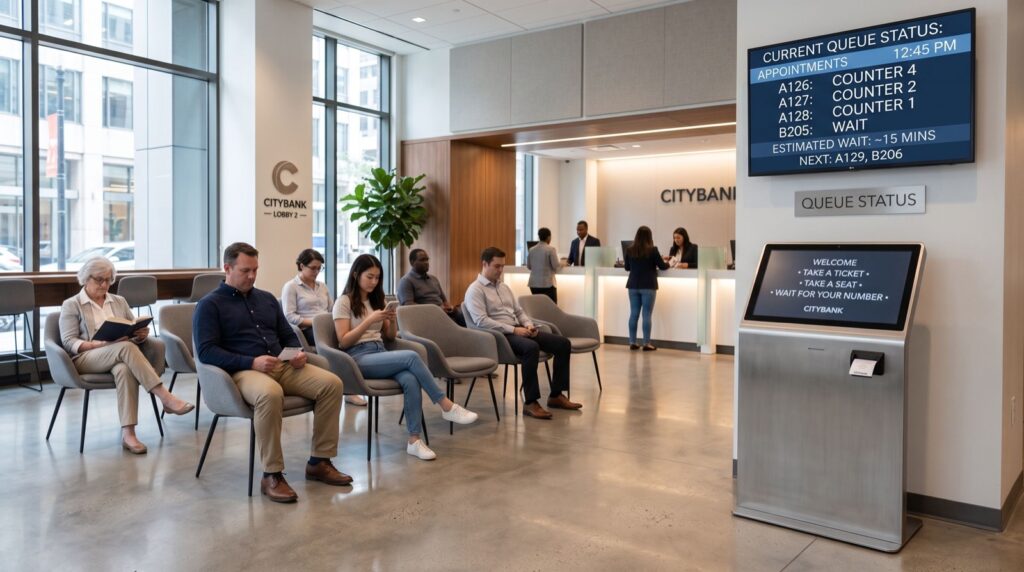
Fingerprint readers rarely stand alone. In banks and quick-service chains, they sit alongside queue systems, IP telephony and order-point hardware. A restaurant group might pair staff biometric clock-in with a PAR Drive Thru in Saudi Arabia platform so labour tracking and customer service run on one coherent infrastructure across their Gulf and Pakistan sites.
That integration mindset is what a good technology partner brings. If you would rather not stitch vendors together yourself, engaging reliable local experts who handle sourcing, integration and support saves months of trial and error.
Privacy and data protection you must respect
Biometric data is sensitive by nature, and mishandling it carries real legal and reputational risk. Store templates, not fingerprint images. Encrypt them at rest. Limit who can access the enrolment database. For guidance on responsible handling, the NIST biometrics programme publishes tested standards that vendors and integrators should follow.
Being transparent with staff about what is captured and why also smooths adoption. People accept fingerprint clock-in readily when they understand the image itself is never stored.
Common deployment pitfalls and how to dodge them
Even experienced teams trip over the same avoidable issues. Knowing them in advance saves weeks of frustration.
The first pitfall is dry or worn fingerprints. In factory and agricultural settings, manual labour wears down ridge detail, and older workers naturally have fainter prints. Enrol multiple fingers and consider a light hand-cream policy near enrolment stations to lift capture rates.
The second is driver mismatch after an operating-system update. A Windows patch can quietly break a reader that worked fine yesterday. Test updates on a pilot machine before pushing them fleet-wide, and keep a known-good driver version archived.
The third is inadequate power on USB hubs. Cheap unpowered hubs starve scanners of current, producing intermittent read failures that look like hardware faults. Connect readers to powered ports and the “faulty device” often heals itself.
Total cost beyond the sticker price
Procurement teams that judge scanners on unit price alone usually pay more overall. The real cost includes integration effort, support and the price of a failed audit.
A certified reader that sails through a NADRA or banking compliance check is cheaper than a bargain unit that forces a re-procurement six months later. Weigh SDK licensing, warranty length and local support availability alongside the headline figure. Over a three-year life, a reliable reader with responsive regional support almost always wins on total cost.
Frequently Asked Questions
What affects finger scanner devices prices in Pakistan?
Certification level, sensor quality, SDK licensing and after-sales support drive the price. A certified reader for bank use costs more than a basic office scanner because it meets stricter image and durability standards.
Are fingerprint scanners accurate for large workforces?
Yes. A quality 500 DPI optical reader delivers very low false-match rates. Enrolling two fingers per employee and keeping the platen clean pushes real-world accuracy even higher.
Do these readers work with my existing software?
Most professional scanners ship with Windows and Linux SDKs, so integration with attendance, banking or access-control software is straightforward. Always test the SDK against your system before buying in volume.
Is a fingerprint image stored on the device?
Best practice is to convert the scan into an encrypted mathematical template and discard the raw image. This protects privacy and reduces your exposure if a database is ever compromised.
Final thoughts
Getting finger scanner devices prices in Pakistan right is about value, not just the lowest number. Match certification and SDK support to your use case, deploy with proper enrolment and cleaning routines, and treat the biometric database as the sensitive asset it is. Do that in 2026 and your fingerprint hardware becomes a quiet, dependable pillar of secure, fraud-resistant operations.